The Wolves and Moose of Isle Royale
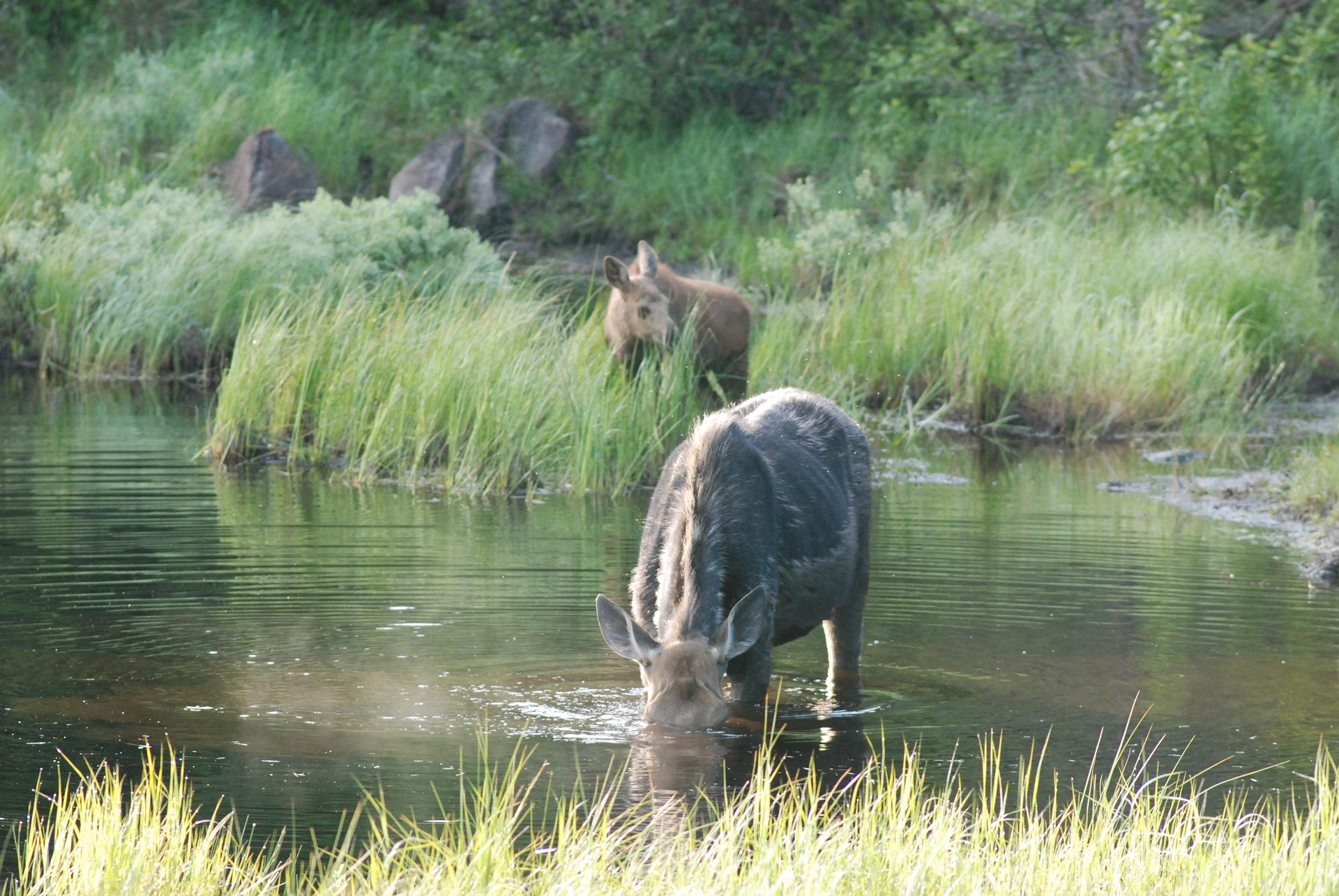
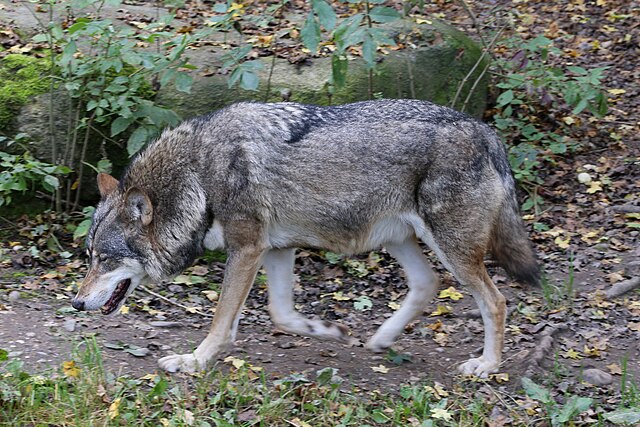
Isle Royale has one of the longest running predator-prey studies in the world and it is all about the wolves and moose on the island. Researchers have been tracking the relationship between the two since 1958 which makes it one of the most important long-term wildlife studies in North America. Moose first showed up on the island back in the early 1900s after swimming over from the mainland and wolves followed by crossing an ice bridge from Ontario around 1949. Ever since then scientists have watched the two populations go up and down based on each other, disease, weather, and how much food is available. A few years back the wolf population got dangerously low because of inbreeding so the National Park Service started bringing in new wolves from Minnesota, Ontario, and Michigan starting in 2018 to get the numbers back up. If you are out on the trails you are almost guaranteed to see moose especially near the lakeshores and marshy areas where they like to feed on aquatic plants. Wolves are a much rarer sight but just knowing they are out there somewhere changes the way it feels to be hiking through the woods. Even if I do not see one I am hoping to hear that haunting howl echoing across the water at night.
Island Ecosystems and Natural Beauty
Wolves and moose get most of the attention but Isle Royale is loaded with other wildlife too. The island has red foxes, snowshoe hares, beavers, river otters, and over two hundred species of birds including bald eagles, ospreys, and common loons. If you have never heard a loon call echoing across the water at dusk it is one of those sounds that stays with you long after you leave. The forests are a mix of boreal and northern hardwood species with thick stands of spruce, fir, birch, and aspen covering the ridges and valleys. Down along the lakeshore there are rocky beaches, tide pools, and exposed bedrock that has been shaped by millions of years of geological activity. The island also has dozens of inland lakes and streams and a lot of them hold brook trout and other native fish. If you want to be somewhere that feels completely untouched with almost no human impact Isle Royale is about as close as you can get in the lower forty-eight.